


Introduction
Outfit styling is more than just wearing clothes. It is the skill of putting pieces together in a way that looks balanced, confident, and suitable for your lifestyle. Many people think style is expensive or only for fashion experts, but that is not true. With the right knowledge, anyone can learn how to style outfits using simple items they already own. Outfit styling helps you feel comfortable in your appearance and express your personality without saying a word.
In today’s fast-moving world, first impressions matter. Whether you are going to work, meeting friends, attending an event, or just running errands, your outfit sends a message. Good outfit styling does not mean following every trend. Instead, it means understanding colors, fits, proportions, and occasions. When you know these basics, dressing well becomes easier and faster.
This guide is written for beginners and intermediate readers who want clear and practical advice. You will learn what outfit styling really means, why it matters, and how to style outfits step by step. The goal is to make fashion feel simple, realistic, and enjoyable. By the end of this article, you will feel more confident in choosing clothes, mixing pieces, and creating outfits that truly work for you.
What Is Outfit Styling?
Outfit styling is the process of selecting, combining, and arranging clothing, footwear, and accessories to create a complete and polished look. It focuses on harmony between colors, shapes, textures, and personal comfort. Outfit styling is not about wearing the most expensive items. Instead, it is about making smart choices that suit your body, lifestyle, and personal taste.
At its core, outfit styling involves understanding how different pieces work together. A simple shirt and jeans can look ordinary or stylish depending on fit, color choice, and accessories. Styling turns basic clothing into a well-thought-out outfit. It also considers the occasion, weather, and your daily activities.
Outfit styling is flexible and personal. What looks good on one person may not suit another, and that is completely normal. The goal is not perfection but confidence. When you understand the basics of outfit styling, you can adapt your wardrobe to different situations while staying true to yourself.
May be you like it:
Fashion Inspiration: Your Ultimate Guide to Style and Creativity
Makeup Looks – A Complete Beginner to Intermediate Guide
Beauty Hacks – Ultimate Guide for Beginners and Beyond
Why Is Outfit Styling Important?
Outfit styling plays an important role in daily life because it affects how you feel and how others see you. When your outfit is well styled, you naturally feel more confident and comfortable. This confidence often reflects in your posture, attitude, and communication.
Good outfit styling also saves time and money. When you know how to mix and match, you avoid buying unnecessary clothes. You can create many looks from fewer items. This makes your wardrobe more practical and organized.
In professional and social settings, outfit styling helps you look appropriate and prepared. It shows attention to detail and self-respect. While skills and personality matter most, your outfit often creates the first impression. Styling helps ensure that impression matches who you are.
Detailed Step-by-Step Guide
Step 1: Understand Your Body Shape
Knowing your body shape is the foundation of outfit styling. Different cuts and fits highlight different features. Some clothes may feel uncomfortable simply because they do not suit your shape.
Common body shapes include straight, pear, apple, and athletic. You do not need to label yourself strictly. Just notice what areas you want to highlight or balance. Choose clothes that fit well instead of focusing on size numbers.
Step 2: Build a Strong Basic Wardrobe
A good outfit styling routine starts with basics. These are simple, versatile items that can be styled in many ways. Basics usually include neutral colors and classic designs.
Examples of basic items include plain shirts, well-fitted jeans, neutral trousers, simple jackets, and comfortable shoes. These pieces act as the base for most outfits. Once your basics are strong, styling becomes easier.
Step 3: Learn Color Coordination
Color plays a big role in outfit styling. Start with neutral colors like black, white, beige, navy, and gray. These colors are easy to combine and suit most occasions.
Once comfortable, add one or two accent colors. Avoid using too many bold colors at once. Balance bright shades with neutral ones to keep the outfit clean and pleasing.
Step 4: Focus on Fit and Proportion
Fit can make or break an outfit. Even stylish clothes look messy if they do not fit properly. Clothes should not be too tight or too loose unless intentionally styled that way.
Proportion is also important. If you wear loose tops, balance them with fitted bottoms. If your pants are wide, keep the upper part more structured. This creates visual balance.
Step 5: Use Layers Wisely
Layering adds depth to outfit styling. It also makes outfits practical for changing weather. Start with a base layer, add a middle layer, and finish with an outer layer.
For example, a simple shirt can be layered with a light jacket or cardigan. Keep layers light and avoid bulk unless needed. Each layer should add value to the outfit.
Step 6: Choose the Right Footwear
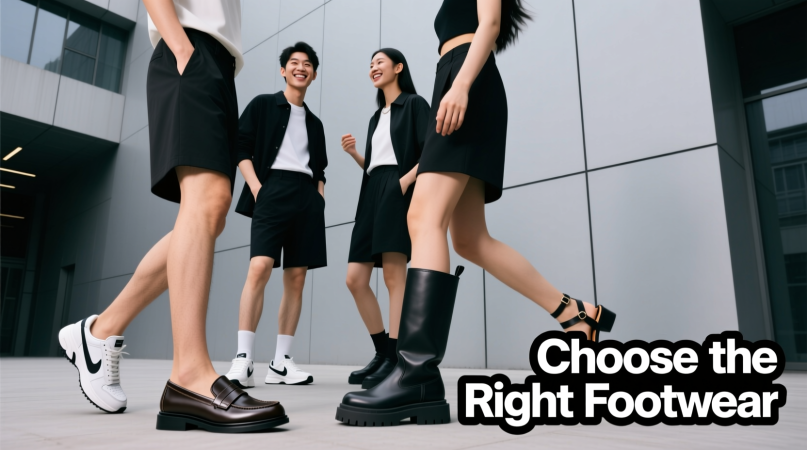
Shoes complete an outfit. The wrong shoes can ruin good outfit styling. Always consider comfort, occasion, and outfit color when choosing footwear.
Neutral shoes work best for daily wear. Clean and well-maintained shoes always look better than trendy but uncomfortable ones. Shoes should support your lifestyle.
Step 7: Add Accessories Carefully
Accessories enhance outfit styling when used in moderation. Items like belts, watches, scarves, or bags can elevate a simple outfit.
Avoid wearing too many accessories at once. Choose one or two pieces that complement your outfit. Accessories should add interest, not distraction.
Step 8: Dress for the Occasion
Outfit styling must match the situation. Casual outfits differ from work or formal wear. Always consider where you are going and what activities you will do.
Comfort and appropriateness are key. An outfit that fits the occasion makes you feel relaxed and confident.
Benefits of Outfit Styling
- Improves confidence and self-image
- Saves time when getting dressed
- Helps create multiple looks from fewer clothes
- Makes shopping more intentional
- Enhances personal expression
- Creates positive first impressions
- Supports a balanced and organized wardrobe
Disadvantages / Risks
- Following trends blindly can waste money
- Overstyling can look unnatural
- Poor fit choices reduce comfort
- Ignoring lifestyle needs causes frustration
- Too many accessories can distract
- Comparison with others can reduce confidence
Common Mistakes to Avoid
Many people think outfit styling requires copying others. This often leads to discomfort. Another common mistake is buying clothes without considering existing items. This creates an unbalanced wardrobe.
Ignoring fit is another issue. Clothes that do not fit well reduce the impact of styling. Wearing too many colors or accessories can also overwhelm an outfit. Lastly, dressing without considering the occasion can make even good outfits feel wrong.
May be you like it:
Fashion Updates: A Complete Guide to Staying Stylish and Informed
Stunning Red Carpet Looks – A Complete Guide for Beginners
Celebrity Style – Your Ultimate Guide to Looking Like a Star
FAQs
What is the easiest way to start outfit styling?
Start by improving basics. Focus on fit, neutral colors, and simple combinations. Build confidence slowly.
Do I need expensive clothes for good outfit styling?
No. Outfit styling depends on how clothes fit and work together, not on price.
How many colors should one outfit have?
Usually two to three colors work best. This keeps the outfit balanced.
Can outfit styling work with a small wardrobe?
Yes. A small wardrobe with versatile items is easier to style and manage.
How do I style outfits for daily wear?
Choose comfort first. Use simple layers, neutral shoes, and minimal accessories.
How often should I update my style?
Update your style when your lifestyle or comfort changes. There is no fixed rule.
Expert Tips & Bonus Points
Plan outfits in advance to save time. Take photos of outfits you like for reference. Keep clothes clean and ironed for a polished look. Trust your comfort level. Confidence is the best styling tool. Avoid rushing trends and focus on timeless pieces.
Conclusion
Outfit styling is a practical skill that anyone can learn with patience and awareness. It is not about perfection or following every fashion rule. Instead, it is about understanding yourself, your needs, and how clothes work together. When you focus on fit, color balance, and comfort, styling becomes natural and enjoyable.
This guide showed that outfit styling starts with small steps. Knowing your body shape, building strong basics, and learning simple coordination can transform how you dress daily. The benefits go beyond appearance. Good outfit styling saves time, reduces stress, and builds confidence in everyday life.
Remember that style is personal. What matters most is how you feel in your clothes. Use the tips, steps, and advice shared here as a foundation. Over time, you will develop your own approach to outfit styling that feels natural and authentic. With consistency and practice, dressing well will become an effortless part of your routine.
May be you like it:
Bollywood Fashion – A Complete Guide to Style and Glamour
Celebrity Outfits – Your Ultimate Style Guide
Celebrity Fashion- Your Ultimate Guide to Star-Studded Style
