


Introduction
Learning how to dress well is not about wearing expensive clothes or following every fashion trend. It is about understanding yourself, choosing the right fit, and dressing with confidence. When you how to dress well, you feel better, walk taller, and make a stronger first impression in daily life. Whether you are going to work, meeting friends, or attending a casual event, your clothing sends a message before you speak.
Many beginners believe style is complicated. In reality, it is a skill that anyone can learn with time and practice. You do not need a large wardrobe or designer labels. Instead, you need simple knowledge, smart choices, and attention to detail. This guide is written in clear, easy English to help both beginners and intermediate readers improve their personal style step by step.
In the first part, you will understand what dressing well truly means. Then, you will learn why it matters in real life. After that, a detailed step-by-step guide will show you how to build outfits, choose colors, and avoid common mistakes. You will also discover the benefits and possible risks of poor dressing choices.
By the end of this article, you will feel more confident about how to dress well every day. The goal is not perfection, but progress. With simple habits and smart thinking, anyone can look neat, stylish, and confident without stress.
What is How to Dress Well?
Dressing well means wearing clothes that suit your body, lifestyle, and personality. It is not about copying others. Instead, it is about knowing what works best for you and using that knowledge wisely.
When people talk about how to dress well, they often think of fashion models or celebrities. However, real style is practical. It focuses on clean clothes, good fit, balanced colors, and suitable outfits for different occasions.
Dressing well also means being comfortable. If your clothes feel right, you will act naturally. Confidence comes from comfort and self-acceptance, not from forced trends.
In simple words, dressing well is the art of looking neat, confident, and appropriate wherever you go.
Why is How to Dress Well Important?
The way you dress affects how others see you and how you see yourself. Clothing plays a strong role in first impressions, especially in professional and social settings.
When you understand how to dress well, people may see you as more confident, responsible, and trustworthy. This can help in job interviews, meetings, and social gatherings.
Good dressing also improves self-respect. When you put effort into your appearance, you show care for yourself. This often leads to better mood and higher confidence throughout the day.
Finally, dressing well saves time and money. When you know what suits you, you avoid buying useless clothes and reduce daily outfit stress.
May be you like it:
Fashion Inspiration: Your Ultimate Guide to Style and Creativity
Makeup Looks – A Complete Beginner to Intermediate Guide
Beauty Hacks – Ultimate Guide for Beginners and Beyond
Detailed Step-by-Step Guide
Step 1: Understand Your Body Type
Knowing your body shape helps you choose clothes that fit and flatter you.
Common body types include slim, athletic, curvy, and broad. Each type looks better in certain cuts and styles. For example, fitted clothes usually look cleaner than very loose ones.
Avoid copying styles that do not suit your shape. Focus on balance and proportion instead.
Step 2: Choose the Right Fit
Fit is more important than brand or price. Even simple clothes look stylish when they fit well.
Shirts should sit comfortably on shoulders. Pants should not be too tight or too loose. Sleeves and hems should match your height.
If needed, simple tailoring can make a big difference.
Step 3: Build a Basic Wardrobe
A basic wardrobe includes simple, versatile pieces that mix easily.
Examples include plain shirts, neutral pants, clean shoes, and a light jacket. Neutral colors like black, white, navy, and beige work well together.
This makes daily dressing easier and smarter.
Step 4: Learn Color Matching
Color balance is a key part of how to dress well.
Start with neutral colors, then add one or two soft colors. Avoid wearing too many bright shades at once.
For example, a white shirt with blue jeans and brown shoes looks clean and balanced.
Step 5: Dress for the Occasion
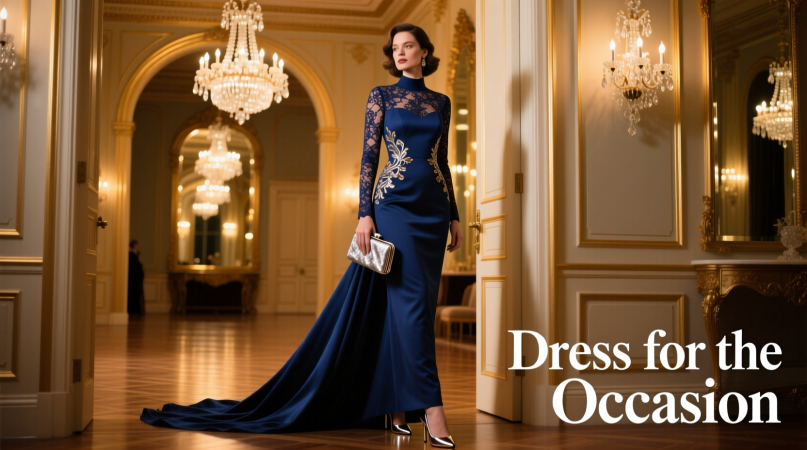
Always match your outfit to the situation. Casual clothes may not work in formal settings.
Think about where you are going and who you will meet. Dressing appropriately shows respect and awareness.
Step 6: Pay Attention to Details
Small details matter more than people think.
Clean shoes, ironed clothes, and neat grooming improve your overall look. Accessories like belts and watches should match your outfit.
Simple details create a polished appearance.
Step 7: Develop Personal Style
Over time, you will learn what you like and what suits you best.
Do not rush this process. Try different looks slowly and keep what feels right.
Personal style grows naturally with experience.
Benefits of How to Dress Well
- Improves confidence and self-esteem
- Creates positive first impressions
- Saves time when choosing outfits
- Reduces unnecessary shopping
- Enhances professional image
- Helps express personality clearly
Disadvantages / Risks
- Following trends blindly can waste money
- Poor fit can reduce comfort
- Overthinking style may cause stress
- Ignoring lifestyle needs leads to impractical choices
Common Mistakes to Avoid
One common mistake is wearing clothes that do not fit properly. Another issue is copying trends without thinking.
Some people also ignore grooming, thinking clothes alone are enough. Others mix too many colors or wear outfits unsuitable for the occasion.
Avoid these mistakes by keeping things simple and practical.
May be you like it:
Fashion Updates: A Complete Guide to Staying Stylish and Informed
Stunning Red Carpet Looks – A Complete Guide for Beginners
Celebrity Style – Your Ultimate Guide to Looking Like a Star
FAQs
How long does it take to learn how to dress well?
Learning style is a gradual process. Most people see improvement within a few weeks of mindful practice.
Do I need expensive clothes to dress well?
No. Fit, cleanliness, and color balance matter more than price.
Can casual clothes look stylish?
Yes. Simple casual outfits can look very stylish when chosen carefully.
How many clothes should I own?
Quality matters more than quantity. A small, well-planned wardrobe is enough.
Should I follow fashion trends?
Follow only trends that suit your body and lifestyle.
Is confidence really linked to clothing?
Yes. When you feel comfortable in your clothes, confidence improves naturally.
Expert Tips & Bonus Points
Always try clothes before buying. Take photos to understand what looks best on you.
Keep your wardrobe organized. This makes dressing easier and faster.
Invest in good shoes, as they complete any outfit.
Most importantly, remember that how to dress well is about feeling good, not showing off.
Conclusion
Understanding how to dress well is a valuable life skill that goes beyond fashion. It is about self-awareness, comfort, and confidence. When you dress with care, you communicate respect for yourself and others without saying a word.
This guide showed that dressing well does not require expensive items or complex rules. Instead, it depends on fit, simplicity, and thoughtful choices. By understanding your body type, building a basic wardrobe, and paying attention to details, you can improve your appearance step by step.
Mistakes may happen, and that is normal. Style grows with experience and patience. Focus on progress rather than perfection. Over time, your personal style will become clearer and more natural.
In daily life, good dressing saves time, reduces stress, and boosts confidence. Whether you are a beginner or someone improving their look, the principles shared here will help you make better clothing choices.
Remember, learning how to dress well is not about impressing others. It is about feeling comfortable, confident, and true to yourself every single day.
May be you like it:
Bollywood Fashion – A Complete Guide to Style and Glamour
Celebrity Outfits – Your Ultimate Style Guide
Celebrity Fashion- Your Ultimate Guide to Star-Studded Style
