


Introduction
Seasonal fashion is all about dressing in a way that matches the weather, mood, and lifestyle of each time of the year. It helps people stay comfortable while still looking stylish and confident. In the first days of learning about seasonal fashion, many beginners feel unsure about what to wear and when to wear it. They may buy clothes that look good in stores but feel wrong later. This is why understanding seasonal fashion is so important.
When you dress according to the season, your outfits feel more natural and practical. Light fabrics feel better in summer, while warm layers protect you in winter. Seasonal fashion is not about owning many clothes. Instead, it is about making smart choices that work well for different times of the year. With the right planning, even a small wardrobe can feel fresh and useful all year long.
This guide is written in simple English for beginners and intermediate readers. It explains seasonal fashion in a clear and friendly way. You will learn what seasonal fashion means, why it matters, and how to follow it step by step. The article also covers benefits, risks, common mistakes, and expert advice. By the end, you will feel more confident choosing outfits that match the season, your comfort, and your personal style.
What is Seasonal Fashion?
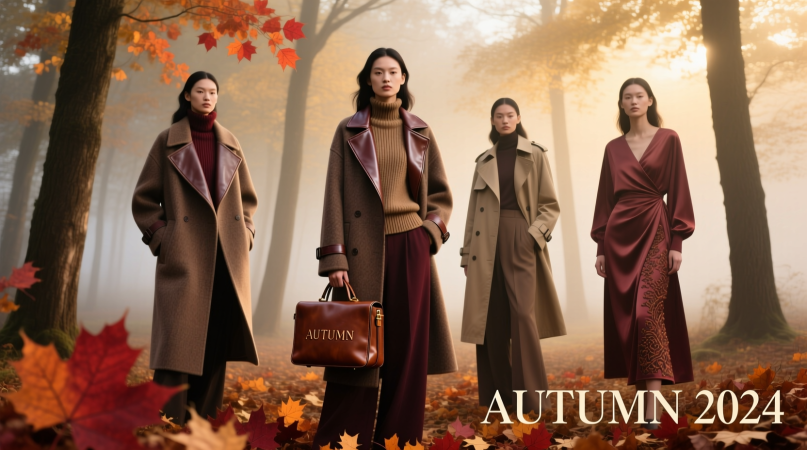
Seasonal fashion means choosing clothes, colors, and fabrics based on the time of year. Each season has its own weather conditions, activities, and style needs. For example, summer fashion focuses on light and breathable clothes, while winter fashion requires warmth and layering.
Seasonal fashion is not just about temperature. It also reflects mood and culture. Spring often brings bright colors and soft fabrics. Autumn usually includes earthy tones and comfortable layers. These changes help people feel in harmony with their environment.
Another important part of seasonal fashion is practicality. Wearing the right clothes for the season helps protect your body and improves daily comfort. It also makes outfits look more balanced and suitable for the occasion.
In simple terms, seasonal fashion helps you dress smarter by matching your clothes with the weather and season. It allows you to enjoy fashion while staying comfortable and confident throughout the year.
Why is Seasonal Fashion Important?
Seasonal fashion is important because it directly affects comfort and health. Wearing heavy clothes in summer can cause discomfort, while light clothing in winter may lead to illness. Dressing for the season helps your body adjust naturally.
It also improves style and appearance. Outfits that match the season look more thoughtful and polished. Colors, textures, and layers feel more natural when they suit the weather.
Seasonal fashion can also save money. When you plan outfits by season, you avoid unnecessary purchases. You learn to buy versatile pieces that last longer and work well each year.
Another key reason is confidence. When you feel comfortable and dressed appropriately, you naturally feel more confident. Seasonal fashion supports both physical comfort and personal expression, making it an important part of everyday dressing.
May be you like it:
Fashion Inspiration: Your Ultimate Guide to Style and Creativity
Makeup Looks – A Complete Beginner to Intermediate Guide
Beauty Hacks – Ultimate Guide for Beginners and Beyond
Detailed Step-by-Step Guide
Step 1: Understand Seasonal Basics
Each season has basic needs. Summer needs light fabrics, winter needs warmth, spring needs flexibility, and autumn needs layering. Learning these basics makes fashion choices easier.
Step 2: Choose the Right Fabrics
Fabric choice matters in seasonal fashion. Cotton and linen work well in warm weather. Wool and fleece are better for cold months. Breathable fabrics help regulate body temperature.
Step 3: Build a Seasonal Wardrobe
Create a small collection of clothes for each season. Focus on essentials like tops, bottoms, outerwear, and shoes. This keeps your wardrobe organized and useful.
Step 4: Use Layering Smartly
Layering is important in changing weather. Light jackets, cardigans, and scarves allow you to adjust easily. This is especially useful in spring and autumn.
Step 5: Adjust Colors and Patterns
Bright colors often suit warmer seasons, while darker shades work well in colder months. Patterns can also reflect seasonal moods and trends.
Step 6: Select Seasonal Footwear
Shoes should match both weather and outfits. Sandals suit summer, boots suit winter, and comfortable closed shoes work for transitional seasons.
Step 7: Accessorize According to Season
Accessories change with seasons. Sunglasses and hats are useful in summer, while gloves and scarves are needed in winter. Choose items that add function and style.
Step 8: Plan Ahead
Planning outfits before the season starts saves time and money. Check your wardrobe, note missing items, and shop wisely.
Benefits of Seasonal Fashion
- Improves comfort in different weather conditions
- Enhances overall appearance and style
- Helps manage wardrobe efficiently
- Saves money through smart planning
- Supports confidence and self expression
- Makes daily dressing easier
Disadvantages / Risks
- Requires planning and organization
- Trends may change within seasons
- Initial cost of seasonal essentials
- Storage space may be needed
- Risk of overbuying seasonal items
Common Mistakes to Avoid
Many people ignore weather when choosing outfits, leading to discomfort. Another mistake is buying trendy items that do not suit the season. Some people also forget to layer properly during transitional months. Overloading the wardrobe with seasonal pieces that are rarely worn is another issue. Avoiding these mistakes helps keep seasonal fashion practical and enjoyable.
May be you like it:
Fashion Updates: A Complete Guide to Staying Stylish and Informed
Stunning Red Carpet Looks – A Complete Guide for Beginners
Celebrity Style – Your Ultimate Guide to Looking Like a Star
FAQs
What is seasonal fashion in simple words?
Seasonal fashion means dressing according to the weather and time of year. It helps you stay comfortable and stylish in every season.
How many times a year should I update my wardrobe?
Most people update their wardrobe four times a year, once for each season. Small changes are usually enough.
Is seasonal fashion expensive to follow?
Seasonal fashion does not have to be expensive. Smart planning and buying basics can reduce costs.
Can I wear the same clothes in different seasons?
Yes, many clothes can be reused with layering and styling. This makes seasonal fashion flexible.
Why do colors matter in seasonal fashion?
Colors reflect mood and weather. Light colors feel fresh in summer, while darker tones feel warm in winter.
Is seasonal fashion only about trends?
No, it is more about comfort and practicality than trends. Trends are optional.
Expert Tips & Bonus Points
Always check fabric labels before buying. Keep neutral basics that work in multiple seasons. Store off season clothes properly to keep them fresh. Focus on fit rather than trends. Take time to understand what works for your lifestyle.
Conclusion
Seasonal fashion is a smart and practical way to dress throughout the year. It helps you stay comfortable, confident, and stylish in every type of weather. By understanding the basics of each season, choosing the right fabrics, and planning ahead, you can build a wardrobe that truly works for you.
This guide has shown that seasonal fashion is not about buying more clothes. It is about making better choices. When you dress according to the season, your outfits feel more natural and balanced. You also avoid common mistakes that waste money and space.
In the end, seasonal fashion supports a simple and thoughtful approach to dressing. It allows you to enjoy variety while staying practical. With the tips and steps shared here, you can confidently dress for every season and feel good in what you wear all year long.
May be you like it:
Bollywood Fashion – A Complete Guide to Style and Glamour
Celebrity Outfits – Your Ultimate Style Guide
Celebrity Fashion- Your Ultimate Guide to Star-Studded Style
